
Anúncios
Cashback credit cards and rewards programmes have become essential financial tools for UK consumers looking to maximise everyday spending and earn valuable perks effortlessly.


Whether you’re filling up at the petrol station, doing your weekly food shop, or booking holidays online, choosing the right credit card can put real money back into your pocket. The UK market offers an impressive variety of cashback and rewards cards, each designed with different spending habits and lifestyle preferences in mind.
Anúncios
Understanding how these programmes work and what to look for before applying can transform your financial strategy. From flat-rate cashback percentages to tiered rewards systems and loyalty points convertible into flights or vouchers, the options are plentiful yet varied in their terms and conditions. Let’s explore everything you need to know to make an informed decision. 💳
🎯 What Are Cashback Credit Cards and How Do They Work?
Cashback credit cards reward you with a percentage of your spending returned to your account, either as a statement credit, direct deposit, or cheque. Unlike traditional cards that offer no incentives, cashback cards turn routine purchases into earning opportunities.
Anúncios
Most UK cashback cards operate on either a flat-rate or tiered structure. Flat-rate cards offer a consistent percentage back on all purchases, typically ranging from 0.25% to 1%. Tiered cards provide higher cashback rates in specific spending categories such as supermarkets, petrol stations, or dining establishments, with lower rates for other purchases.
The cashback is usually credited annually, quarterly, or monthly depending on the provider’s terms. Some cards apply minimum redemption thresholds, meaning you’ll need to accumulate a certain amount before withdrawals become available. Understanding these mechanics helps you align card benefits with your actual spending patterns.
📊 Flat-Rate vs Tiered Cashback Systems
Flat-rate cashback cards offer simplicity and predictability. You earn the same percentage regardless of where or what you purchase, making budgeting and forecasting straightforward. These cards suit consumers with diverse spending habits who don’t concentrate purchases in specific categories.
Tiered cashback cards, conversely, reward strategic spending. If you regularly shop at supermarkets or fill up at petrol stations, a card offering 3% cashback in these categories significantly outperforms a flat 0.5% card. However, these cards demand awareness and planning to maximise benefits.
Some premium cards combine both approaches, offering enhanced rates in rotating categories while maintaining baseline cashback on everything else. Evaluating your monthly spending breakdown helps determine which structure delivers optimal returns.

🎁 Understanding Rewards Programmes and Points Systems
Rewards credit cards differ from cashback cards by offering points, miles, or vouchers instead of direct monetary returns. These points can be redeemed for travel bookings, retail vouchers, experiences, merchandise, or sometimes converted to cashback at reduced value.
Major UK rewards programmes include Avios (used by British Airways and partners), Nectar points, Tesco Clubcard points, and proprietary bank reward schemes. Each programme has unique redemption options, transfer partners, and value propositions that appeal to different consumer preferences.
Points typically accrue at rates like 1 point per £1 spent, with bonus multipliers in partner categories. The actual value of points varies significantly—Avios might be worth 1p each when redeemed for flights but only 0.5p for merchandise. Understanding redemption values ensures you’re genuinely benefiting from your spending.
✈️ Travel Rewards Cards: Maximising Holiday Value
Travel rewards cards represent some of the most lucrative options for frequent travellers. These cards earn airline miles or hotel points directly, often with generous sign-up bonuses that can cover return flights or multiple hotel nights.
British Airways American Express cards, for instance, earn Avios points that unlock discounted or free flights, upgrades, and partner hotel bookings. Premium travel cards may include additional perks like airport lounge access, travel insurance, and no foreign transaction fees—valuable benefits for international travellers.
However, travel cards demand strategic use. Points can expire if accounts remain inactive, and blackout dates may limit redemption flexibility. Calculating the effective return rate based on how you’ll actually redeem points reveals whether these cards outperform simple cashback alternatives.
🔍 Key Factors to Analyse Before Choosing Your Card
Selecting the right cashback or rewards card requires careful evaluation of multiple factors beyond headline rates. Annual fees, interest rates, spending caps, and eligibility criteria all impact the card’s true value proposition for your circumstances.
💷 Annual Fees and Break-Even Analysis
Many premium cashback and rewards cards charge annual fees ranging from £25 to £250 or more. While higher fees often accompany superior earning rates and additional benefits, you must spend enough to justify the cost.
Calculate your annual break-even point by dividing the fee by your expected cashback rate. If a card charges £100 annually and offers 1% cashback, you’ll need to spend £10,000 yearly just to offset the fee. Higher spending volumes make premium cards worthwhile, whilst modest spenders benefit more from fee-free alternatives.
Consider introductory offers too. Some cards waive first-year fees or provide substantial sign-up bonuses that immediately deliver value regardless of subsequent spending patterns.
💳 Interest Rates and APR Considerations
Cashback and rewards cards typically carry higher interest rates than standard credit cards, often exceeding 20% APR. If you carry balances month-to-month, interest charges will rapidly eliminate any rewards earned, making these cards counterproductive.
These cards deliver maximum value when used strategically—charging everyday expenses whilst paying the full balance before interest accrues. Consumers who maintain balances should prioritise low-interest or 0% balance transfer cards over rewards programmes.
Purchase interest rates, balance transfer rates, and cash advance rates may all differ. Read terms carefully to understand when interest applies and at what rate, avoiding unexpected charges that diminish earned rewards.
📈 Spending Caps and Category Restrictions
Many cashback cards impose monthly or annual spending caps on enhanced earning rates. A card might offer 5% cashback on supermarket purchases up to £100 monthly, reverting to 0.5% thereafter. High-volume spenders could quickly hit these limits, reducing effective earning rates.
Category restrictions also matter. Some cards exclude certain merchants or transaction types like gambling, money transfers, or cash withdrawals from earning rewards. Understanding these exclusions prevents disappointment and helps accurate benefit forecasting.
Tiered cards often rotate bonus categories quarterly, requiring active management to maximise returns. If you prefer simplicity, flat-rate cards with no caps or restrictions might better suit your preferences despite potentially lower headline rates.
✅ Eligibility Requirements and Credit Score Impact
Premium cashback and rewards cards typically require good to excellent credit scores, often 690 or above. Applying for cards beyond your eligibility wastes hard credit inquiries and reduces approval odds for future applications.
Check your credit report through free services like ClearScore or Experian before applying. Understanding your score helps target appropriate cards, increasing approval likelihood whilst protecting your credit profile from unnecessary inquiries.
Income requirements vary by card, with premium offerings sometimes requiring minimum annual earnings of £20,000 to £30,000 or more. Employment status, residential stability, and existing debt levels all factor into approval decisions alongside credit scores.
🛡️ Responsible Credit Management for Reward Optimisation
Maximising rewards demands disciplined financial habits. Only charge what you can afford to repay fully each month, treating your credit card like a debit card that happens to earn benefits rather than a loan facility.
Setting up automatic payments for at least the minimum amount prevents missed payments that trigger penalty fees and interest charges whilst damaging your credit score. Ideally, automate full balance payments to eliminate interest entirely.
Monitor spending through mobile apps to stay within budget and track progress toward earning goals. Many card issuers provide spending categorisation and alerts that help maintain control whilst optimising reward-earning opportunities.
🏆 Top Cashback and Rewards Cards in the UK Market
The UK market features dozens of cashback and rewards cards, each with distinct strengths. Whilst individual circumstances determine the best choice, certain cards consistently rank highly for specific consumer profiles.
💎 Premium Cashback Options
American Express Platinum Cashback Credit Card offers up to 1.25% cashback on purchases after spending £3,000 in the first three months, with a £25 annual fee. It provides one of the highest flat cashback rates available, ideal for high spenders across diverse categories.
Santander’s 123 Credit Card delivers tiered cashback: 3% on petrol, 2% at department stores, and 1% on supermarket spending, capped at £9 monthly (requiring £300 in petrol, £450 at department stores, and £900 at supermarkets to maximise). There’s a £36 annual fee, making it best suited for targeted high spending in bonus categories.
Barclaycard Rewards Credit Card offers 0.25% cashback with no annual fee, representing a solid entry-level option for modest spenders seeking simple rewards without commitments or thresholds.
✈️ Leading Travel Rewards Cards
British Airways American Express card earns 1 Avios per £1 spent, with bonus Avios on BA purchases. Sign-up bonuses often provide enough points for short-haul return flights, whilst the Companion Voucher (on premium versions) allows two-for-one reward flight bookings—tremendous value for couples or frequent travellers.
Virgin Atlantic Reward Credit Card similarly earns Virgin Points for flights, upgrades, and partner redemptions. It includes travel insurance and no foreign transaction fees, valuable for international travellers who fly regularly with Virgin or partner airlines.
These travel cards excel when you can utilise points for high-value redemptions like business class upgrades or peak-season flights that would otherwise cost significantly more than the points required.
🚀 Maximising Your Rewards: Strategic Tips and Best Practices
Simply owning a rewards card isn’t enough—strategic usage multiplies benefits and ensures you extract maximum value from every pound spent.
🔄 Combining Multiple Cards for Category Optimisation
Experienced rewards enthusiasts often maintain multiple cards, using each for specific spending categories where it performs best. You might use one card exclusively for petrol (where it offers 3% cashback), another for supermarkets (2% cashback), and a third for everything else (1% flat rate).
This approach demands organisation and careful tracking but can significantly boost overall returns. Digital wallets and expense tracking apps simplify managing multiple cards whilst ensuring the right card charges each purchase type.
Be mindful of potential annual fees across multiple cards. Ensure combined rewards exceed total fees paid, calculating your effective return rate across your entire card portfolio rather than individual cards in isolation.
🎉 Leveraging Sign-Up Bonuses and Promotional Offers
Sign-up bonuses often represent the highest return you’ll ever receive from a card, sometimes worth £100-300 in cashback or points after meeting minimum spending requirements within the first few months.
Time applications strategically around large planned purchases like holidays, home improvements, or wedding expenses that help you meet spending thresholds naturally without manufactured spending. Never overspend solely to earn bonuses—the cost outweighs the benefit.
Promotional periods occasionally offer enhanced earning rates in specific categories or merchant partnerships. Staying informed through card issuer communications ensures you capitalise on temporary opportunities that amplify rewards beyond standard rates.
💡 Avoiding Common Pitfalls That Erode Value
Several mistakes can quickly eliminate rewards earned through otherwise smart card usage. Late payments trigger fees typically ranging from £12-25 whilst potentially incurring interest on your entire balance, easily wiping out months of cashback.
Foreign transaction fees (usually 2.75%-2.99%) on non-specialist cards negate rewards earned abroad. Always use cards with no foreign fees for international purchases, or calculate whether rewards exceed transaction costs before swiping.
Cash advances and balance transfers rarely earn rewards and incur immediate interest charges with no grace period. Reserve your rewards card exclusively for purchases to maintain its value proposition.
📱 Mobile Apps and Digital Tools for Rewards Management
Modern card issuers provide sophisticated mobile apps that transform rewards tracking from tedious spreadsheet work into effortless real-time monitoring. These apps display current cashback balances, points totals, spending by category, and progress toward promotional thresholds.
Push notifications alert you to approaching spending caps in bonus categories, ensuring you don’t exceed limits where earning rates decrease. Transaction categorisation happens automatically, providing insights into spending patterns that inform optimisation strategies.
Many apps integrate with digital wallets like Apple Pay and Google Pay, combining contactless payment convenience with instant rewards tracking. Virtual card numbers enhance security for online shopping whilst maintaining full rewards earning on every transaction.
🔐 Security Features and Fraud Protection
UK credit cards offer robust fraud protection under Section 75 of the Consumer Credit Act, making you jointly liable with the card issuer for purchases between £100-£30,000. This protection extends beyond standard chargeback rights, providing powerful consumer safeguards.
Contactless payment limits and transaction alerts help detect unauthorised usage quickly. Enable all available security features including biometric authentication, spending limits, and geographic restrictions that prevent fraud whilst maintaining convenient legitimate use.
Zero liability policies mean you won’t pay for unauthorised transactions reported promptly. Monitor accounts regularly through mobile apps, reporting suspicious activity immediately to minimise disruption and protect your rewards balance from fraudulent redemptions.
🌍 Sustainability and Ethical Considerations
Some consumers prioritise cards from providers with strong environmental and social governance commitments. Several UK card issuers now offer carbon-neutral cards made from recycled materials or donate portions of interchange fees to environmental causes.
Rewards programmes increasingly include redemption options for charitable donations, allowing you to convert points into contributions to registered charities if material rewards don’t appeal or you’ve maximised personal benefit.
Researching issuer policies on lending practices, investment portfolios, and corporate responsibility helps align your financial tools with personal values without sacrificing competitive rewards or terms.
📅 When to Review and Switch Your Rewards Card
Rewards cards aren’t lifetime commitments. Annual reviews ensure your current card still aligns with evolving spending patterns, lifestyle changes, and competitive market offerings that may provide superior value.
Life events like moving house, changing jobs, starting families, or retiring often shift spending categories and volumes. A card perfect for a frequent business traveller becomes less valuable in retirement, whilst family formation might make supermarket cashback suddenly relevant.
New card launches and promotional offers continually reshape the competitive landscape. Staying informed about market developments ensures you’re not leaving significant value unclaimed by maintaining outdated card choices out of habit rather than strategic assessment.
💭 Making Your Final Decision with Confidence
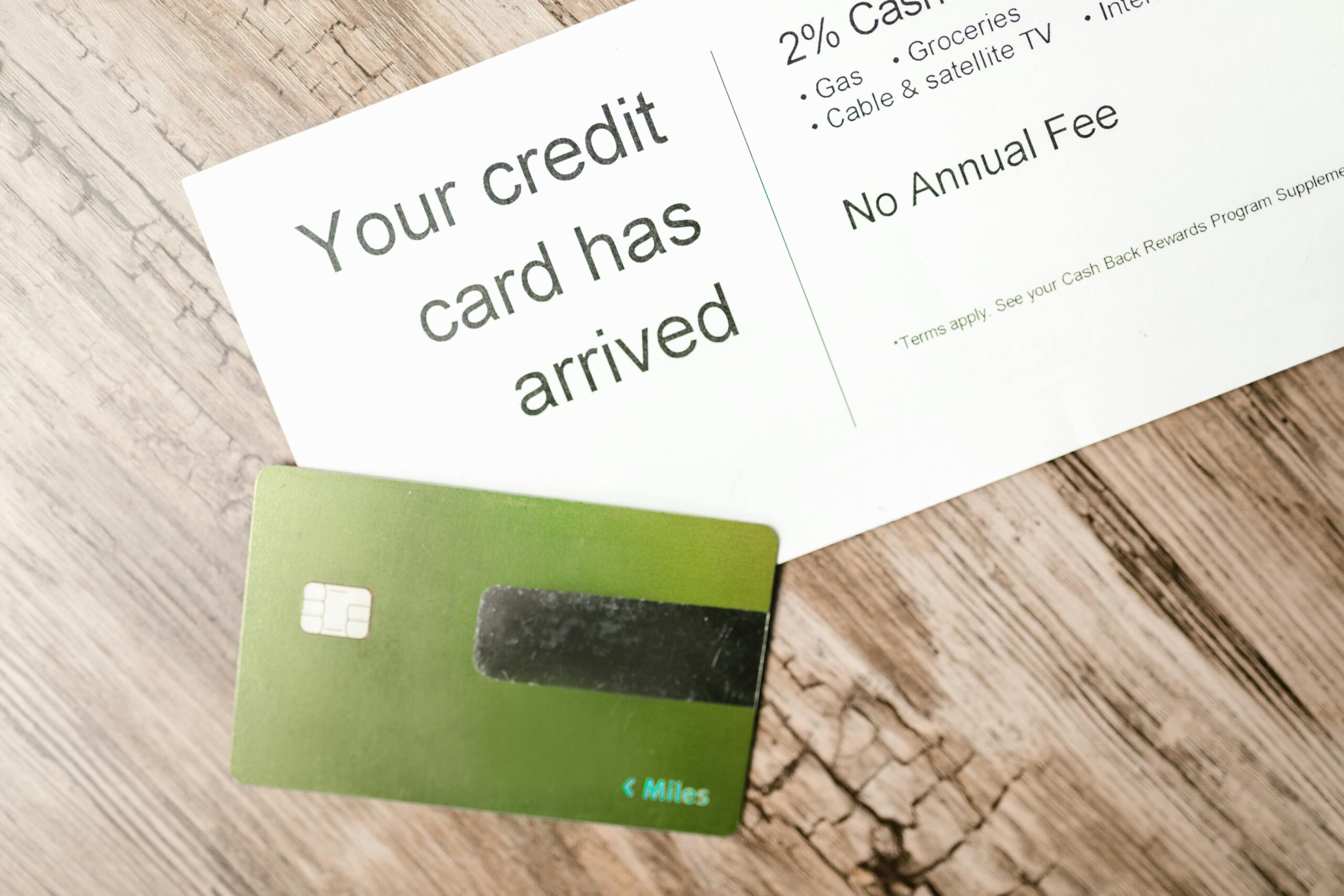
Choosing between cashback and rewards cards ultimately depends on personal spending habits, financial discipline, and lifestyle preferences. Cashback offers simplicity and immediate monetary value, whilst rewards programmes provide flexibility and potentially higher returns for strategic users.
Analyse your monthly spending across categories using bank statements or budgeting apps. Calculate potential returns from cards matching your spending profile, accounting for annual fees and redemption restrictions. The card delivering highest net benefit after all costs represents your optimal choice.
Remember that no rewards justify spending money you wouldn’t otherwise spend or carrying balances that accrue interest. These cards amplify value from necessary purchases—they shouldn’t drive unnecessary consumption that undermines overall financial health.
Start with one card that matches your primary spending category, master its terms and optimisation strategies, then consider adding complementary cards as your confidence and organisational systems develop. With informed selection and disciplined usage, cashback and rewards credit cards become powerful tools that put money back in your pocket with every swipe. 🎯
