
Anúncios
Choosing the right credit card in the UK can feel overwhelming with so many options available, each designed for different spending habits and financial goals.


Whether you’re looking to earn rewards on everyday purchases, receive cashback on your spending, or collect air miles for your next holiday, understanding the differences between credit card types is essential. Each category serves a unique purpose, and what works brilliantly for one person might not suit another’s lifestyle.
Anúncios
Beyond the perks and benefits, it’s equally important to grasp key financial terms like APR (Annual Percentage Rate) and annual fees. These factors significantly impact the overall cost of borrowing and can make or break the value proposition of any card. Let’s dive deep into the world of UK credit cards and help you navigate your options with confidence. 💳
Understanding Standard Credit Cards in the UK
Standard credit cards represent the most straightforward option in the market. They don’t typically offer elaborate rewards schemes or travel perks, but they provide essential borrowing flexibility for everyday purchases and emergency expenses.
Anúncios
These cards are ideal for people who want a simple financial tool without the complexity of earning points or tracking bonus categories. They often come with competitive interest rates, especially for those with good credit scores, and many offer introductory 0% APR periods on purchases or balance transfers.
The beauty of standard cards lies in their accessibility. Many providers offer these to a wider range of applicants, making them an excellent starting point for building or rebuilding credit history. They typically have lower (or no) annual fees compared to premium cards, which means you’re not paying for features you might not use.
When Standard Cards Make Sense
Standard credit cards work best when you plan to pay off your balance in full each month. Without rewards to offset interest charges, carrying a balance becomes expensive quickly. However, if you’re disciplined with repayments, these cards offer pure convenience without unnecessary complications.
Rewards Credit Cards: Earning While You Spend 🎁
Rewards credit cards have transformed how savvy consumers approach everyday spending. These cards allow you to accumulate points, miles, or vouchers based on your purchase activity, essentially giving you something back for money you’d spend anyway.
The rewards structure varies considerably between providers. Some cards offer a flat rate across all purchases—for example, one point per pound spent. Others feature tiered systems where specific categories like groceries, dining, or fuel earn bonus points, while everything else earns at a base rate.
Popular UK rewards programmes include Nectar, Avios, Membership Rewards, and proprietary bank point systems. The value you extract depends heavily on how you redeem your points. Converting points to statement credits often yields lower value than transferring them to airline partners or redeeming for experiences.
Maximising Rewards Card Benefits
To truly benefit from rewards cards, you need to consider your spending patterns carefully. If you regularly shop at participating retailers or frequently dine out, targeted bonus categories can accelerate your earnings significantly. However, never spend more just to earn rewards—that defeats the purpose entirely.
Many rewards cards come with annual fees ranging from £25 to over £500 for premium options. Calculate whether your annual spending will generate enough rewards value to justify this cost. Additionally, rewards cards often carry higher APRs than standard cards, making them unsuitable for carrying balances.
Cashback Credit Cards: Straightforward Returns
Cashback cards offer perhaps the most transparent rewards mechanism: you receive a percentage of your spending back as actual cash. There’s no need to understand point valuations, transfer partners, or redemption categories—you simply get money back. 💰
UK cashback cards typically offer between 0.25% and 5% cashback, depending on the card and spending category. Some provide flat-rate cashback on all purchases, while others feature tiered structures that reward higher spending with increased percentages or offer bonus rates on specific categories.
The cashback you earn might be paid annually, quarterly, or monthly, depending on the provider. Some cards credit it directly to your account, while others require you to claim it actively or reach minimum thresholds before payout.

Evaluating Cashback Card Value
The appeal of cashback cards lies in their simplicity and flexibility. Unlike rewards points that might expire or devalue, cash retains its worth. This makes cashback cards particularly attractive for people who value straightforward benefits over travel perks or shopping vouchers.
However, the mathematics matter here too. A card offering 1% cashback with a £50 annual fee requires you to spend £5,000 annually just to break even. Always calculate your expected cashback against any fees to ensure you’re genuinely benefiting from the arrangement.
Travel Credit Cards: Perfect for Globetrotters ✈️
Travel credit cards cater specifically to frequent travellers, offering benefits that can significantly enhance your journey experience while potentially saving substantial amounts on international spending.
The hallmark feature of travel cards is fee-free foreign transactions. Standard credit cards typically charge 2.5% to 3% on overseas purchases and ATM withdrawals—costs that accumulate quickly during holidays or business trips. Travel cards eliminate or drastically reduce these fees, offering competitive exchange rates that often beat high-street currency exchange services.
Beyond transaction savings, premium travel cards bundle impressive perks: airport lounge access, travel insurance, hotel status upgrades, priority boarding, and concierge services. Some cards also earn airline miles or hotel points at accelerated rates, particularly when booking travel-related expenses.
Matching Travel Cards to Your Lifestyle
Not all travel cards suit every traveller. If you take one annual holiday to Spain, a basic fee-free spending card might suffice. However, if you’re a frequent business traveller crossing continents regularly, premium cards with high annual fees (sometimes £300+) can deliver exceptional value through their comprehensive benefits packages.
Consider how often you’ll actually use the perks. Airport lounge access sounds luxurious, but if you typically arrive at airports with minimal time to spare, you won’t benefit from it. Similarly, travel insurance included with cards often comes with conditions and may not replace comprehensive standalone policies for certain trip types.
Decoding Representative APR: What It Really Means
APR—Annual Percentage Rate—represents the yearly cost of borrowing on your credit card, including interest and mandatory fees. The “representative” APR is the rate that at least 51% of successful applicants receive, but there’s a crucial catch: you might not be among that 51%.
Lenders advertise representative APR to provide a standardised comparison point, but your actual APR depends on your individual creditworthiness. Someone with an excellent credit score might receive the advertised rate or better, while someone with a weaker credit history could be offered a significantly higher rate.
Understanding APR becomes critical if you ever carry a balance. A card advertising 22.9% APR means that unpaid balances accrue interest at this annual rate, typically calculated daily and charged monthly. Even a few months of carrying £1,000 could cost you over £100 in interest charges.
Different APRs for Different Transactions
Credit cards often apply different APRs to different transaction types. Purchase APR applies to regular spending, but cash advances and balance transfers frequently carry separate (often higher) rates. Some promotional offers feature 0% APR periods on purchases or transfers, reverting to the standard rate afterwards.
Always read the fine print regarding when introductory rates end and what the reversion rate will be. Missing a single payment can sometimes trigger penalty APRs significantly higher than the standard rate, dramatically increasing your borrowing costs.
Understanding Annual Fees and Hidden Costs 💷
Annual fees represent the yearly charge for holding a credit card, separate from any interest on borrowed amounts. These fees vary enormously across the UK market, from £0 on basic cards to well over £500 for ultra-premium offerings.
The value equation is straightforward: do the benefits you receive exceed the annual fee? A card with a £100 annual fee that returns £150 in cashback or equivalent rewards value makes financial sense. Conversely, paying £200 annually for perks you never use is simply wasted money.
Beyond annual fees, watch for other potential charges: foreign transaction fees, cash advance fees, balance transfer fees, late payment penalties, and over-limit charges. These can significantly impact the true cost of card ownership, particularly if you’re not careful with payment timing or usage patterns.
Fee-Free Alternatives and Promotions
Many excellent UK credit cards charge no annual fee whatsoever, making them accessible to everyone. These typically include standard cards and some cashback options. Rewards and travel cards more commonly carry fees, justified by their enhanced benefits packages.
Some premium cards waive the first year’s fee as an acquisition incentive, allowing you to test the benefits before committing to ongoing costs. Others waive fees if you meet minimum spending thresholds, essentially making the fee conditional on your usage level.
Comparing Cards: Building Your Decision Framework
With so many options available, systematic comparison is essential. Start by honestly assessing your spending patterns, financial discipline, and lifestyle needs. Are you someone who pays balances in full monthly, or do you sometimes carry debt? Do you travel frequently or rarely leave the UK?
Create a shortlist based on your primary needs. If you never travel internationally, travel cards make little sense regardless of their other features. If you carry balances occasionally, prioritise low APR over rewards programmes that become expensive when interest accumulates.
| Card Type | Best For | Typical APR Range | Annual Fee Range |
|---|---|---|---|
| Standard | Simple borrowing, building credit | 18% – 30% | £0 – £25 |
| Rewards | High spenders who pay in full | 20% – 35% | £0 – £500+ |
| Cashback | Straightforward value seekers | 19% – 30% | £0 – £100 |
| Travel | Frequent international travellers | 20% – 30% | £0 – £500+ |
Looking Beyond the Headline Features
Marketing materials naturally emphasise the most attractive features, but dig deeper into terms and conditions. Check minimum income requirements, spending thresholds for earning top-tier benefits, and restrictions on rewards redemption. Some cards cap cashback earnings or exclude certain merchant categories entirely.
Read current customer reviews focusing on customer service quality, ease of app usage, and how the provider handles disputes. A card with slightly lower rewards but excellent customer support might prove more valuable than a high-earning card from a provider with poor service reputation.
Strategic Card Usage: Maximising Benefits While Minimising Costs
Owning the right card is only half the equation—using it strategically determines whether you truly benefit. The golden rule remains unchanged: only spend what you can afford to repay in full each month. Interest charges rapidly erase any rewards value, making even the most generous cashback card a poor financial choice when carrying balances.
Consider holding multiple cards for different purposes. Use a cashback card for everyday spending, a travel card for holidays and foreign purchases, and keep a 0% purchase card available for larger planned expenses you’ll repay over several months. This approach maximises benefits across spending categories while maintaining financial control.
Set up direct debits for at least the minimum payment to avoid late fees and credit score damage, but aim to clear balances fully. Track spending through card apps to ensure you’re staying within budget and earning rewards in the categories you expected.
Building and Protecting Your Credit Score 📊
Your credit card usage significantly impacts your credit score, which in turn determines your eligibility for future financial products and the rates you’ll be offered. Responsible card management builds positive credit history, while missed payments or high utilisation damages your score quickly.
Credit utilisation—the percentage of available credit you’re using—is particularly important. Keeping utilisation below 30% across all cards demonstrates responsible borrowing. If you have a £3,000 limit, try to keep balances below £900 even if you repay in full monthly, as reporting timing can affect the utilisation figure creditors see.
Avoid applying for multiple cards simultaneously. Each application triggers a hard credit check that slightly reduces your score temporarily. Multiple applications in quick succession signal potential financial stress to lenders, potentially leading to rejections that further damage your profile.
Check Your Eligibility Before Applying: The Smart Approach ✅
One of the most valuable tools available to UK consumers is eligibility checking services offered by comparison websites and directly by many card providers. These perform “soft searches” that don’t affect your credit score, showing you which cards you’re likely to be approved for and at what rates.
Using eligibility checkers before formally applying prevents unnecessary hard credit checks from multiple rejections, which can damage your score and reduce future approval chances. These tools analyse your credit profile against lender criteria, providing personalised likelihood percentages for each card.
Take advantage of these free services extensively before committing to any application. Seeing a 90%+ eligibility rating gives you confidence to proceed, while a 30% rating suggests you should either improve your credit profile first or consider alternative cards better matched to your current situation.
Improving Approval Chances
If eligibility checks show limited options, take steps to strengthen your credit profile before applying. Register on the electoral roll at your current address, correct any errors on your credit report, reduce existing debts, and avoid applying for other credit products for several months.
Consider starting with cards designed for building credit if you’re new to the UK credit system or rebuilding after past difficulties. These cards typically offer lower limits and fewer rewards but provide a stepping stone to premium products as your credit history strengthens.
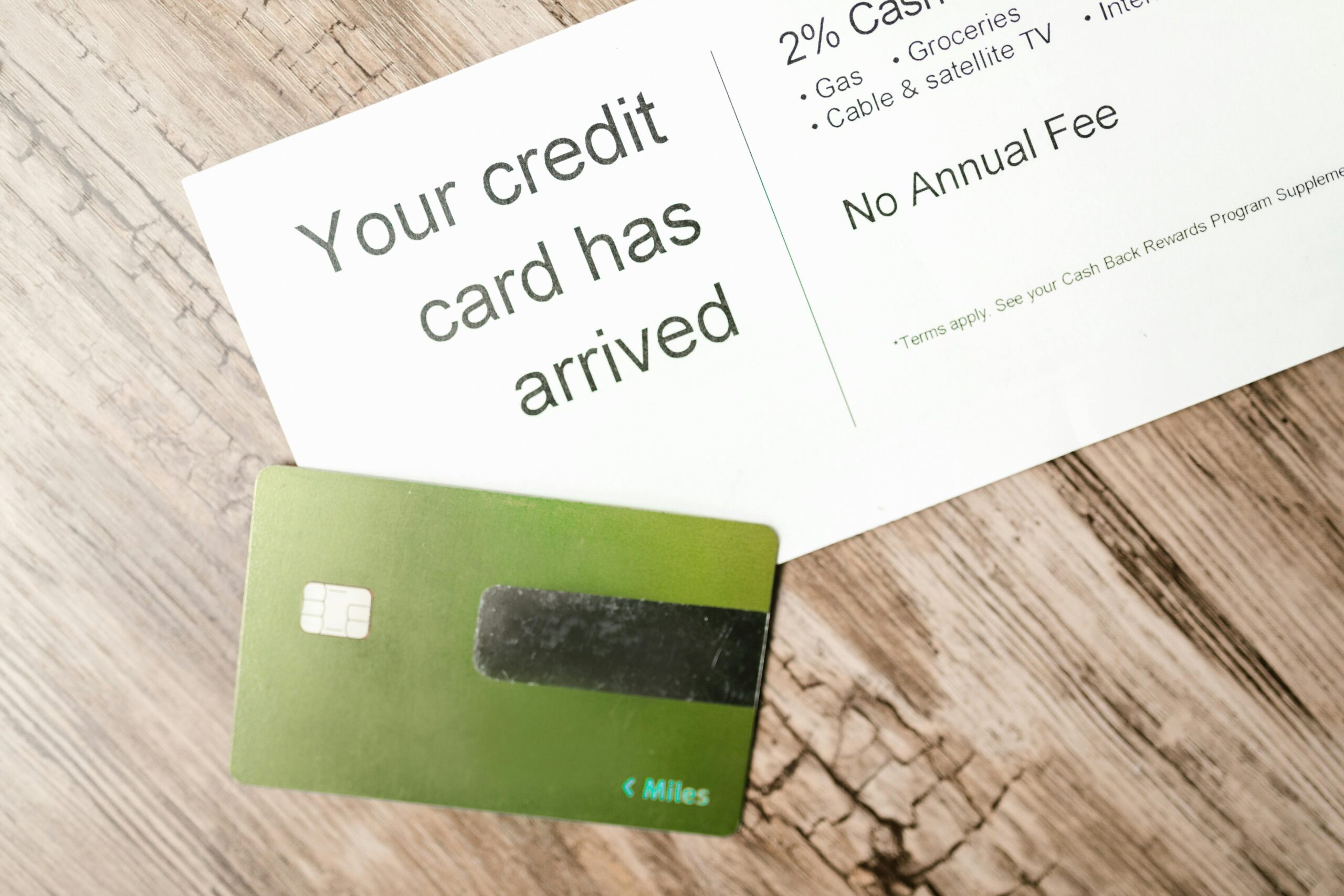
Making Your Final Decision: Bringing It All Together
Choosing between standard, rewards, cashback, and travel credit cards ultimately depends on your unique financial situation, spending patterns, and lifestyle priorities. There’s no universally “best” card—only the best card for your specific circumstances right now.
Standard cards excel for simplicity and building credit without fees or complexity. Rewards cards suit high spenders who pay balances fully and want flexibility in redemption options. Cashback cards appeal to those wanting straightforward, tangible returns without tracking points. Travel cards deliver exceptional value for frequent international travellers who utilise the comprehensive benefit packages.
Remember that representative APR and annual fees significantly impact overall value, particularly if you occasionally carry balances or don’t maximise rewards earning. A card with a lower APR and no annual fee might cost less overall than a high-rewards card with expensive borrowing rates and yearly charges, even after accounting for rewards earned.
Review your card choice annually. As your income grows, spending patterns change, or life circumstances shift, a different card type might better serve your needs. The UK credit card market is competitive and constantly evolving, with providers regularly launching new products and promotional offers worth considering.
Before making any application, use eligibility checking tools to understand your approval chances and likely rates. This simple step protects your credit score while ensuring you apply only for cards genuinely suited to your financial profile. Taking these few extra minutes of preparation can save you from rejections and lead you to a card that genuinely enhances your financial life rather than complicating it. 🎯
The right credit card becomes a valuable financial tool—helping you manage cash flow, earn rewards on necessary spending, and build a strong credit history. Choose wisely, use responsibly, and always verify your eligibility before submitting that application.
