
Anúncios
Inflation doesn’t just affect your wallet—it rewires your brain, transforming how you perceive value, make decisions, and plan for the future.
When prices rise steadily, the psychological impact extends far beyond simple mathematics. The erosion of purchasing power creates a ripple effect through consumer behavior, financial planning, and even our emotional relationship with money. Understanding this complex interplay between inflation and psychology reveals why we make the spending choices we do during economic uncertainty.
Anúncios
💭 The Cognitive Dissonance of Rising Prices
Our brains struggle to process gradual price increases because we anchor expectations to past experiences. When coffee that cost three dollars last year now costs five, we experience cognitive dissonance—the uncomfortable tension between what we remember and what we encounter. This mental friction doesn’t simply pass; it fundamentally alters how we evaluate purchases moving forward.
Behavioral economists have documented this phenomenon extensively. The reference point we establish for “normal” prices becomes outdated during inflationary periods, yet our minds cling stubbornly to these benchmarks. This creates a constant state of sticker shock that influences everything from grocery shopping to major purchases like vehicles or homes.
Anúncios
The adaptation process varies significantly among individuals. Some consumers quickly adjust their mental pricing models, while others remain anchored to historical prices for months or even years. This variation helps explain why inflation affects spending patterns so unevenly across different demographic groups and economic sectors.
🧠 Money Illusion and Nominal Versus Real Value
The concept of money illusion reveals a fascinating quirk in human psychology. We tend to think about money in nominal terms—the actual numbers on price tags—rather than real terms that account for purchasing power. When your salary increases by three percent but inflation runs at five percent, you’re actually losing ground financially, yet many people focus primarily on the nominal raise.
This cognitive bias becomes particularly pronounced during periods of high inflation. Workers may celebrate wage increases without fully processing that their real purchasing power has declined. Similarly, savers watching their account balances grow may not recognize that inflation is eroding the actual value of those savings faster than interest can accumulate.
Understanding the difference between nominal and real values requires conscious effort and financial literacy. Those who master this distinction make fundamentally different decisions about spending, saving, and investing compared to those who remain trapped in nominal thinking patterns.
The Wage-Price Spiral in Your Mind
Beyond individual money illusion, there’s a collective psychological phenomenon where expectations of future inflation become self-fulfilling. When workers anticipate rising prices, they demand higher wages. When businesses face higher labor costs, they raise prices. This wage-price spiral exists not just in economic models but in the psychology of millions of interconnected decisions.
Your expectations about future inflation directly influence your current spending behavior. If you believe prices will continue rising sharply, you may accelerate purchases to “beat” future increases—a behavior that paradoxically contributes to continued inflation by increasing current demand.
🛒 Changing Shopping Behaviors Under Inflationary Pressure
Inflation triggers observable shifts in consumer behavior that researchers have documented across cultures and economic systems. These changes reveal how psychological adaptation to rising prices manifests in practical shopping decisions.
Trading down represents one of the most common responses. Consumers shift from premium brands to mid-tier or store brands, seeking acceptable quality at lower price points. This isn’t merely a mathematical calculation—it involves psychological reconciliation with perceived loss of status or quality.
Bulk buying increases during inflationary periods as consumers attempt to lock in current prices for future consumption. This strategy provides psychological comfort beyond its practical value, creating a sense of control amid economic uncertainty. However, it can also strain household budgets and storage capacity, creating new stresses.
Category substitution becomes more prevalent as well. When beef prices soar, chicken consumption increases. When new cars become unaffordable, used car markets surge. These substitutions aren’t always straightforward; they involve complex psychological valuations about acceptable alternatives and personal priorities.
The Psychology of Delayed Gratification
Inflation creates an interesting tension around delayed gratification. Traditional financial wisdom suggests postponing non-essential purchases, but inflation inverts this logic in some cases. If you genuinely need an appliance and expect prices to continue rising, waiting may actually cost more.
This reversal of conventional patience challenges deeply ingrained financial behaviors. The psychological discomfort of making large purchases accelerates when you’re unsure whether you’re making a prudent decision to avoid future price increases or falling victim to inflation-driven panic buying.
💳 The Credit Trap: Borrowing in an Inflationary Environment
Rising prices exert psychological pressure that makes credit more tempting. When current purchasing power feels inadequate, borrowing offers immediate relief. This creates a dangerous psychological pattern where inflation drives increased debt accumulation.
Credit cards and buy-now-pay-later services become more attractive during inflationary periods. The psychology here is straightforward but problematic: immediate needs feel more urgent, while future payment obligations feel abstract and distant. This temporal discounting—valuing present gratification over future costs—intensifies when inflation makes today’s prices seem like tomorrow’s bargains.
However, the mathematics of borrowing during inflation are complex. If you borrow at a fixed interest rate lower than the inflation rate, you technically repay with cheaper future dollars. But this theoretical advantage rarely outweighs the psychological burden of debt and the practical reality of budget constraints from monthly payments.
Financial Anxiety and Decision Paralysis
Inflation generates significant financial anxiety that can paradoxically lead to decision paralysis. Faced with uncertainty about future prices, wages, and economic conditions, some consumers freeze, unable to commit to any significant financial decisions. This paralysis itself has economic consequences, potentially slowing certain market sectors.
The mental bandwidth consumed by financial stress during inflationary periods shouldn’t be underestimated. Constant price monitoring, budget recalculation, and strategic shopping require cognitive resources that might otherwise go toward work, relationships, or personal development. This hidden cost of inflation—the mental load it creates—affects quality of life beyond simple purchasing power.
📊 Perception Versus Reality: How We Experience Inflation
Individual inflation experiences vary dramatically from official statistics. Your personal inflation rate depends entirely on your consumption basket. If you’re renting an apartment, commuting by car, and eating out frequently, you might experience inflation rates far exceeding official figures. Conversely, a homeowner with a fixed mortgage who cooks at home might feel much less impact.
This divergence between aggregate statistics and personal experience creates psychological tension. When economists or policymakers discuss inflation rates that don’t match your lived reality, it generates distrust and frustration. Your brain processes its own direct experiences more heavily than abstract statistics, regardless of methodological validity.
The components of inflation that affect you most psychologically aren’t necessarily the largest in economic terms. Gasoline prices receive outsized attention because you see them displayed prominently and purchase fuel frequently. Housing costs may represent a larger portion of your budget, but if your rent or mortgage is fixed, you might not process housing inflation as acutely on a daily basis.
The Visibility Factor in Price Psychology
Frequent, visible purchases disproportionately shape inflation psychology. Daily coffee, groceries, and gasoline create constant reinforcement of rising prices. Meanwhile, annual expenses like insurance premiums or semi-annual purchases like clothing might increase substantially without generating the same psychological impact.
This visibility bias affects how we vote, our confidence in economic management, and our personal financial decisions. Politicians and business leaders understand this psychology, which explains the intense focus on specific price points like gasoline or milk as inflation indicators, even when they don’t represent the complete economic picture.
🎯 Strategic Adaptations: Psychological Resilience During Inflation
Developing psychological resilience to inflation involves both practical strategies and mental frameworks. Those who navigate inflationary periods most successfully typically share certain cognitive approaches.
Reframing value represents a crucial psychological shift. Rather than fixating on price increases, inflation-resilient consumers focus on relative value and necessity. They distinguish between wants and needs more sharply, finding satisfaction in optimization rather than mourning lost purchasing power.
Proactive budgeting creates psychological control. When you actively track expenses and adjust categories, you transform from passive victim of rising prices to active manager of your financial reality. This sense of agency—even when total purchasing power has declined—significantly impacts financial well-being and stress levels.
Diversifying fulfillment sources helps as well. If rising costs make certain leisure activities unaffordable, inflation-resilient individuals substitute with lower-cost alternatives rather than simply feeling deprived. The psychological skill here involves genuinely valuing the alternatives rather than viewing them as inferior compromises.
Building Mental Models for Economic Uncertainty
Financial education focused specifically on inflation psychology can substantially improve decision-making. Understanding concepts like real versus nominal returns, the time value of money during inflation, and how to calculate personal inflation rates empowers better choices.
Mental accounting strategies become particularly valuable. Separating funds mentally into categories—emergency reserves, inflation-protected investments, discretionary spending—creates psychological boundaries that prevent panic-driven decisions while maintaining necessary flexibility.
💰 Investment Psychology and Inflation Protection
Inflation dramatically alters investment psychology. Traditional safe havens like savings accounts and bonds become less psychologically satisfying when returns lag behind inflation. This drives many toward riskier assets seeking inflation protection, fundamentally changing their risk tolerance profiles.
The psychology of inflation-hedging assets like real estate, commodities, or inflation-protected securities involves understanding long-term value preservation rather than short-term gains. This requires patience and conviction that many investors lack, particularly when these assets experience volatility.
Behavioral biases intensify during inflationary periods. Recency bias—overweighting recent experiences—may cause investors to overreact to short-term inflation trends. Herd mentality can drive stampedes into particular asset classes perceived as inflation hedges, sometimes creating bubbles detached from fundamental value.
The Generational Psychology of Inflation
Your generation’s formative economic experiences shape inflation psychology profoundly. Those who lived through the 1970s stagflation retain inflation fears and coping strategies decades later. Younger generations experiencing their first significant inflation develop entirely different psychological frameworks and behaviors.
These generational differences create varying market behaviors and policy preferences. Understanding that your inflation psychology is partially shaped by historical context rather than universal economic laws can provide valuable perspective and flexibility in adapting to current conditions.
🔮 Future Implications: Long-term Psychological Effects
Prolonged inflation episodes create lasting psychological imprints that persist even after price stability returns. Studies of populations that experienced hyperinflation reveal permanently altered saving behaviors, investment preferences, and risk tolerances decades later.
These long-term effects suggest that current inflationary pressures will shape financial psychology for years to come. Even moderate inflation, if sustained, recalibrates expectations about appropriate savings rates, acceptable returns, and financial security thresholds.
The erosion of trust in currency and financial institutions represents perhaps the most serious long-term psychological consequence. When money loses value unpredictably, faith in the fundamental medium of economic exchange weakens. This psychological damage proves difficult to repair and can hinder economic function long after inflation subsides.
🌟 Mastering Your Financial Psychology in Any Economic Climate
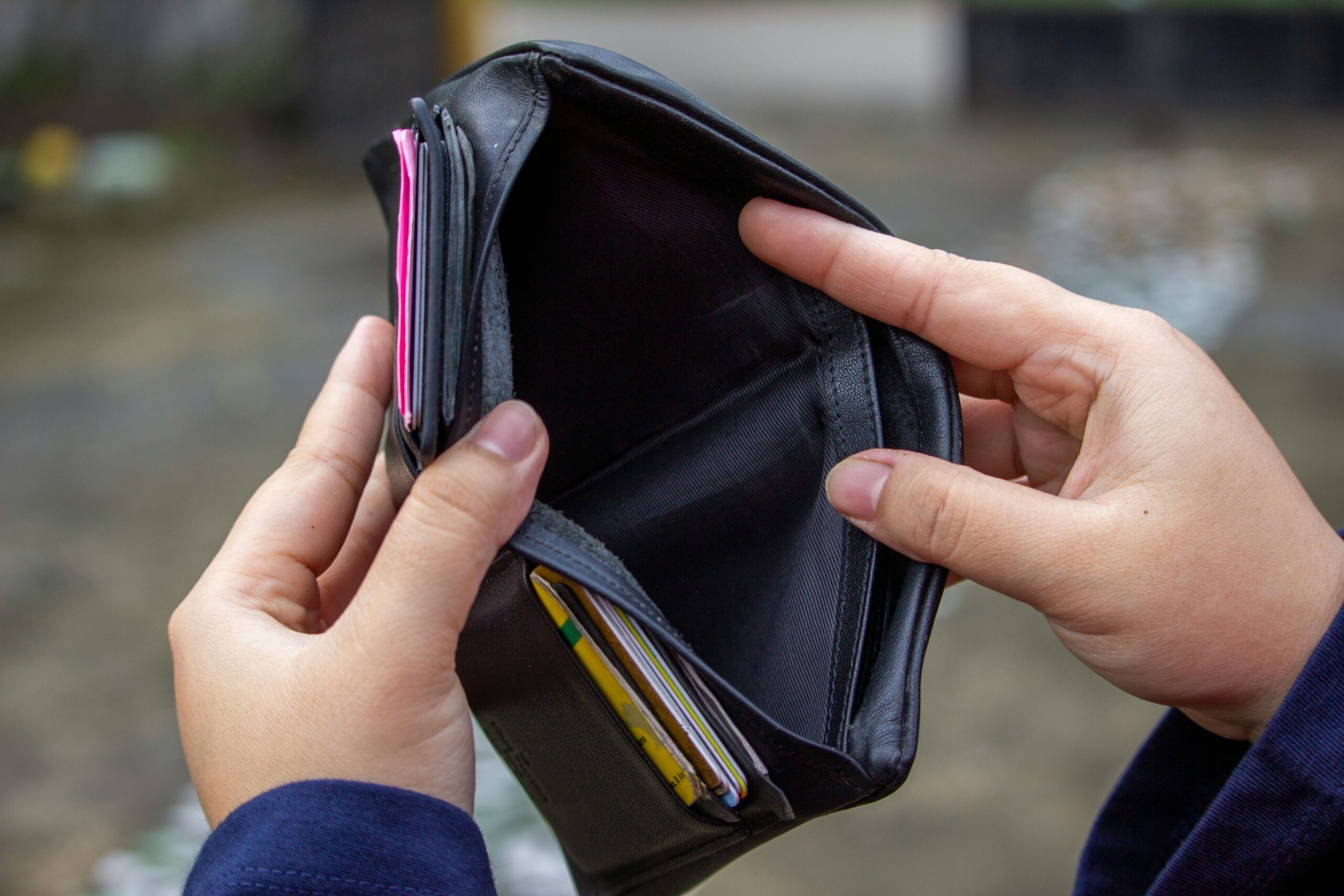
Ultimately, understanding how inflation shapes spending habits and purchasing power psychology empowers better decision-making regardless of economic conditions. The relationship between your mind and money exists not in abstract statistics but in daily choices, emotional responses, and long-term planning.
Developing awareness of cognitive biases like money illusion, anchoring effects, and visibility bias provides the foundation for rational financial behavior during inflationary periods. Combining this awareness with practical strategies—realistic budgeting, value-focused shopping, and appropriate inflation hedging—creates comprehensive resilience.
The psychology of purchasing power extends beyond individual finances to collective economic behavior, policy effectiveness, and social stability. Recognizing these broader connections helps contextualize personal experiences within larger economic forces while maintaining focus on controllable factors.
As inflation continues shaping economic landscapes globally, those who master its psychological dimensions gain significant advantages. They make decisions based on real value rather than nominal prices, avoid panic-driven choices, and maintain financial well-being even as absolute purchasing power fluctuates. This psychological mastery represents perhaps the most valuable inflation hedge available—one that costs nothing but awareness and generates returns in every economic environment.
