
Anúncios
Find Fast-Track Credit Card Options in the UK

Compare Options Now
Navigating the UK credit card market can feel overwhelming, especially when you’re eager to access credit quickly. Whether you’re building your credit score from scratch, recovering from past financial challenges, or simply looking for a card that doesn’t keep you waiting weeks for a decision, understanding how to find cards with streamlined application processes is essential. The good news? Many modern providers now offer rapid eligibility checks and faster decision-making systems that respect your time while maintaining responsible lending standards.
The landscape of credit cards in the UK has evolved significantly over recent years. Traditional lengthy approval processes have given way to sophisticated digital systems that can assess applications in minutes rather than days. This shift benefits consumers who need clarity quickly, while also helping lenders make more informed decisions. Let’s explore how you can identify credit cards with more efficient review processes without compromising on finding the right financial product for your circumstances. 💳
Anúncios
Understanding the UK Credit Application Landscape
Before diving into specific strategies, it’s important to grasp how credit card applications actually work in the UK. When you apply for a credit card, lenders assess your creditworthiness using various data points. This includes your credit score, income, employment status, existing debts, and your financial behaviour history. The speed of this assessment varies dramatically between providers.
Traditional banks often have multi-stage approval processes involving manual reviews, which can extend decision times to several days or even weeks. In contrast, digital-first providers and challenger banks typically leverage automated systems that can deliver instant or near-instant decisions. These systems use advanced algorithms to evaluate applications against predefined criteria, significantly reducing processing times.
Anúncios
The key difference lies not in the thoroughness of the assessment—all regulated lenders must follow Financial Conduct Authority (FCA) guidelines—but in the efficiency of how that assessment is conducted. Understanding this distinction helps you target applications strategically.
What Makes an Application Process More Agile? ⚡
Several factors contribute to faster credit card application processing. Recognising these elements helps you identify which providers are likely to offer quicker decisions:
- Automated decision engines: Systems that instantly analyse your application data against lending criteria without human intervention
- Real-time credit bureau integration: Direct connections to Experian, Equifax, or TransUnion that pull your credit information immediately
- Digital-first infrastructure: Modern technology stacks built for speed rather than legacy systems requiring manual data entry
- Streamlined documentation requirements: Applications that minimise the information requested while still meeting regulatory standards
- Open Banking integration: Optional features allowing you to share banking data directly, enabling faster income and expenditure verification
Providers that combine these elements can often provide decisions within minutes of application submission. Some even offer provisional decisions before you complete the full application, thanks to eligibility checkers.
The Role of Eligibility Checkers
One of the most valuable tools for finding cards with efficient processes is the eligibility checker. These tools perform what’s known as a “soft search” or “quotation search” on your credit file. Unlike full applications, soft searches don’t leave a visible footprint that other lenders can see, meaning they won’t impact your credit score.
Eligibility checkers typically ask for basic information—your name, address, date of birth, employment status, and income—then provide an indication of which cards you’re likely to be approved for, often with percentage likelihood scores. This allows you to gauge your chances before committing to a full application, which does involve a hard search that appears on your credit report.
Many comparison websites and individual card providers now offer these tools. Using them strategically means you can identify cards where you have strong approval prospects and where the provider uses rapid decision systems, effectively creating a shortlist of fast-track options tailored to your credit profile.
Key Terms to Understand in the UK Credit Market 📊
Familiarising yourself with common terminology helps you evaluate credit card offers more effectively and understand what you’re agreeing to:
Credit Score: A numerical representation of your creditworthiness, typically ranging from 0-999 (Experian), 0-700 (Equifax), or 0-710 (TransUnion). Higher scores indicate lower perceived risk to lenders. Different credit reference agencies calculate scores differently, so your score may vary between them.
Representative APR: The Annual Percentage Rate that at least 51% of successful applicants receive. This is the advertised rate, but your actual APR may be higher depending on your credit assessment. The representative APR includes both the interest rate and mandatory fees, giving you a complete picture of borrowing costs.
Soft Search vs Hard Search: A soft search (used for eligibility checking) doesn’t affect your credit score and isn’t visible to lenders. A hard search (used for full applications) appears on your credit report and can temporarily lower your score, especially if you make multiple applications in a short period.
Credit Limit: The maximum amount you can borrow on the card. This is determined individually based on your creditworthiness and affordability assessment. Initial limits may be lower for those building credit, with opportunities to increase them over time.
Purchase Rate: The interest rate applied to standard purchases if you don’t clear your balance in full. This differs from cash advance rates or balance transfer rates, which are typically higher.
Types of Credit Cards with Typically Faster Processing
Certain categories of credit cards tend to have more streamlined application processes due to their target audience and the providers offering them:
Digital Bank Credit Cards
Challenger banks and digital-first financial institutions have built their entire infrastructure around speed and user experience. Providers in this space often offer credit cards with application processes designed for rapid decisions. Their mobile-first approach typically includes in-app eligibility checking, instant decision notifications, and quick card dispatch.
These providers leverage technology to assess applications efficiently while maintaining responsible lending standards. Because they operate without the legacy systems of traditional banks, they can process applications more smoothly from start to finish.
Credit Builder Cards
Cards specifically designed for people building or rebuilding credit often have faster approval processes because their target audience and risk models are clearly defined. These cards typically have lower credit limits and higher APRs, reflecting the increased risk to lenders, but they’re structured to accept applicants who might struggle with mainstream cards.
The application criteria for credit builder cards are often more transparent, and because providers in this space specialise in serving those with limited credit histories or past credit issues, their decision systems are optimised for these profiles. This specialisation can translate to quicker decisions.
Store Cards and Retail Credit
While not always the most competitive in terms of rates, store cards and retail credit offerings frequently provide instant or near-instant decisions, sometimes even at the point of purchase. These cards are designed for immediate use, so providers have invested in rapid assessment systems.
However, it’s worth noting that store cards often carry higher APRs than general-purpose credit cards, so they’re best suited for short-term use where you can clear balances quickly to avoid interest charges.
Strategies for Finding Fast-Decision Credit Cards 🎯
Armed with understanding of the market, you can employ specific strategies to identify cards offering efficient application processes:
Start with Comparison Platforms
Reputable comparison websites aggregate offers from multiple providers and often include eligibility checkers that perform soft searches across numerous cards simultaneously. This gives you a comprehensive view of options where you have good approval chances, with many platforms indicating which providers typically offer instant decisions.
When using comparison sites, look for filters that allow you to sort by “instant decision” or “quick approval” alongside your credit profile. Pay attention to user reviews mentioning application experience and decision timeframes.
Check Your Credit Report First
Before applying anywhere, obtain copies of your credit reports from all three UK credit reference agencies: Experian, Equifax, and TransUnion. Understanding what lenders will see allows you to target applications strategically and identify any errors that might delay processing or lead to rejection.
Several services offer free credit report access, including ClearScore (Equifax data), Credit Karma (TransUnion data), and Experian’s own free service. Reviewing your reports also helps you understand which credit score band you fall into, enabling more realistic card targeting.
Research Provider Processing Times
While providers don’t always advertise exact processing timeframes, customer reviews and forums like MoneySavingExpert often contain valuable insights about real-world application experiences. Look for mentions of “instant decision,” “approved within minutes,” or conversely, warnings about lengthy processing.
Some providers explicitly state on their websites that they offer instant decisions for many applicants, though they’ll caveat this by noting that some applications require additional review. This transparency is a positive sign that they’ve invested in efficient systems.
Consider Your Credit Profile Realistically
Faster decisions are more common for applicants with straightforward credit profiles. If you have an excellent credit score, stable employment, and no unusual circumstances, you’re more likely to receive automated approvals quickly. Complex situations—such as being self-employed, having recent credit issues, or having a thin credit file—may trigger manual reviews regardless of the provider’s typical processing speed.
Being realistic about your profile helps set appropriate expectations and guides you toward cards designed for applicants in your situation, which often have optimised processing for those specific circumstances.
What to Look for Beyond Speed ✅
While finding a card with rapid application processing is valuable, it shouldn’t be your only consideration. A fast decision on an unsuitable card doesn’t serve your financial interests. Balance efficiency with these important factors:
Representative APR and Actual Rates
The advertised representative APR applies to just over half of successful applicants. Those with lower credit scores may receive significantly higher rates. Before applying, consider whether you plan to carry a balance—if so, the APR becomes critically important. If you’ll clear balances monthly, other features may matter more.
Fees and Charges
Annual fees, foreign transaction fees, cash advance charges, and late payment penalties all impact the true cost of a card. Some cards with attractive headline rates carry fees that make them expensive in practice. Review the full fee schedule before committing.
Credit Limit Expectations
Fast approval means little if the credit limit offered doesn’t meet your needs. While you won’t know the exact limit until approval, card literature often indicates typical ranges, and customer reviews may provide insights into what various credit profiles receive.
Additional Features and Benefits
Consider whether the card offers benefits valuable to you: cashback, rewards points, travel insurance, purchase protection, or promotional periods on purchases or balance transfers. A card that ticks multiple boxes serves you better than one chosen solely for application speed.
The Application Process: What to Expect ⏱️
Understanding the typical journey from application to decision helps you navigate the process smoothly and avoid delays:
Information You’ll Need
Most applications require similar information: full name, date of birth, current address and address history (typically three years), residential status (owner, tenant, living with parents), employment status, employer details, annual income, and monthly housing costs. Having this information readily available speeds up form completion.
Some applications also ask about existing credit commitments, bank account details, and expenses. The more streamlined applications minimise these requests, using credit bureau data to verify information instead.
The Decision Timeline
For providers with efficient systems, the typical timeline looks like this: application completion (5-10 minutes), automated review and credit check (instant to 60 seconds), initial decision notification (immediate for many applicants), and potential follow-up for additional verification (same day to 48 hours for cases requiring manual review).
Truly instant decisions usually appear on-screen immediately after submission. If a provider indicates they’ll contact you within 24-48 hours, this suggests either a semi-automated process or that your application triggered manual review criteria.
What Happens After Approval
Approval doesn’t mean instant card access in most cases. Physical cards typically arrive within 3-10 working days by post. Some digital banks offer virtual card details immediately, allowing you to make online purchases while awaiting the physical card. Activation usually involves a phone call, online process, or mobile app confirmation.
Common Reasons for Delayed Decisions 🔍
Even with efficient providers, certain circumstances trigger additional review that extends decision times:
- Credit file discrepancies: Mismatches between your application and credit report information require manual verification
- Recent address changes: Moving house within the last few months can complicate automated verification
- Thin credit files: Limited credit history gives automated systems less data to work with, prompting human review
- Complex employment situations: Self-employment, contract work, or very recent job changes may require income verification
- High existing credit utilisation: Using a large proportion of your available credit may trigger affordability assessments
- Recent credit applications: Multiple recent hard searches might pause automated approvals while fraud checks occur
Understanding these potential triggers helps you anticipate whether your application might require extended processing, regardless of the provider’s typical speed.
Protecting Your Credit Score While Searching 🛡️
Seeking cards with fast decisions shouldn’t come at the expense of damaging your credit profile. Each full application creates a hard search, and multiple hard searches in a short period signal financial stress to lenders, potentially lowering your credit score and reducing approval chances.
The solution is strategic application using eligibility checkers. By relying on soft searches to identify strong matches before applying, you minimise hard searches on your credit file. As a general guideline, limit full credit applications to one or two within a six-month period unless absolutely necessary.
Spacing applications also allows each hard search to age. While recent searches have more impact, their influence diminishes over time, with most falling off your credit report entirely after two years.
Questions to Ask Before Applying 💭
Before submitting any credit card application, consider these questions to ensure you’re making an informed decision:
- Does this provider offer an eligibility checker, and have I used it?
- What is my realistic approval likelihood based on my credit score and the card’s target audience?
- Do I understand the representative APR and what rate I might actually receive?
- Are there fees associated with this card, and do they represent good value for my usage patterns?
- Does the typical credit limit range meet my needs?
- Will I be able to manage repayments comfortably within my budget?
- Have I compared this card against at least two or three alternatives?
- Am I applying for speed alone, or does this card genuinely suit my financial situation?
Taking time to answer these questions honestly prevents impulsive applications that might lead to unsuitable credit products or damaged credit scores.
Red Flags to Watch For ⚠️
While most regulated UK credit card providers operate responsibly, certain warning signs should give you pause:
Guaranteed approval claims: No legitimate lender can guarantee approval without assessing your circumstances. Claims of guaranteed acceptance often signal predatory lending or poorly regulated providers.
Unusually high fees: While some cards carry annual fees, excessive charges that seem disproportionate to the credit limit or benefits offered may indicate poor value.
Pressure tactics: Legitimate providers give you time to consider offers. High-pressure sales tactics suggesting you must apply immediately are red flags.
Unclear terms: If you can’t easily find clear information about APR, fees, and terms, this lack of transparency should concern you.
Requests for upfront payments: You should never pay a fee before receiving a credit card. Upfront payment requests often indicate scams.
Building Toward Better Credit Card Options 📈
If your current credit profile limits you to cards with higher APRs or lower limits, remember that credit building is a journey. Using a credit card responsibly—keeping utilisation below 30% of your limit, making payments on time, and avoiding cash advances—gradually improves your credit score.
Over 6-12 months of positive credit behaviour, your score can improve significantly, opening doors to cards with better rates, higher limits, and more attractive benefits. Many providers also offer credit limit increases to existing customers who demonstrate responsible use, effectively rewarding positive behaviour without requiring new applications.
Consider credit building as a strategic process. Start with cards accessible to your current profile, use them wisely, and periodically reassess your options as your credit score improves. The effort invested in responsible credit management pays dividends through access to increasingly competitive credit products.
Making an Informed Comparison
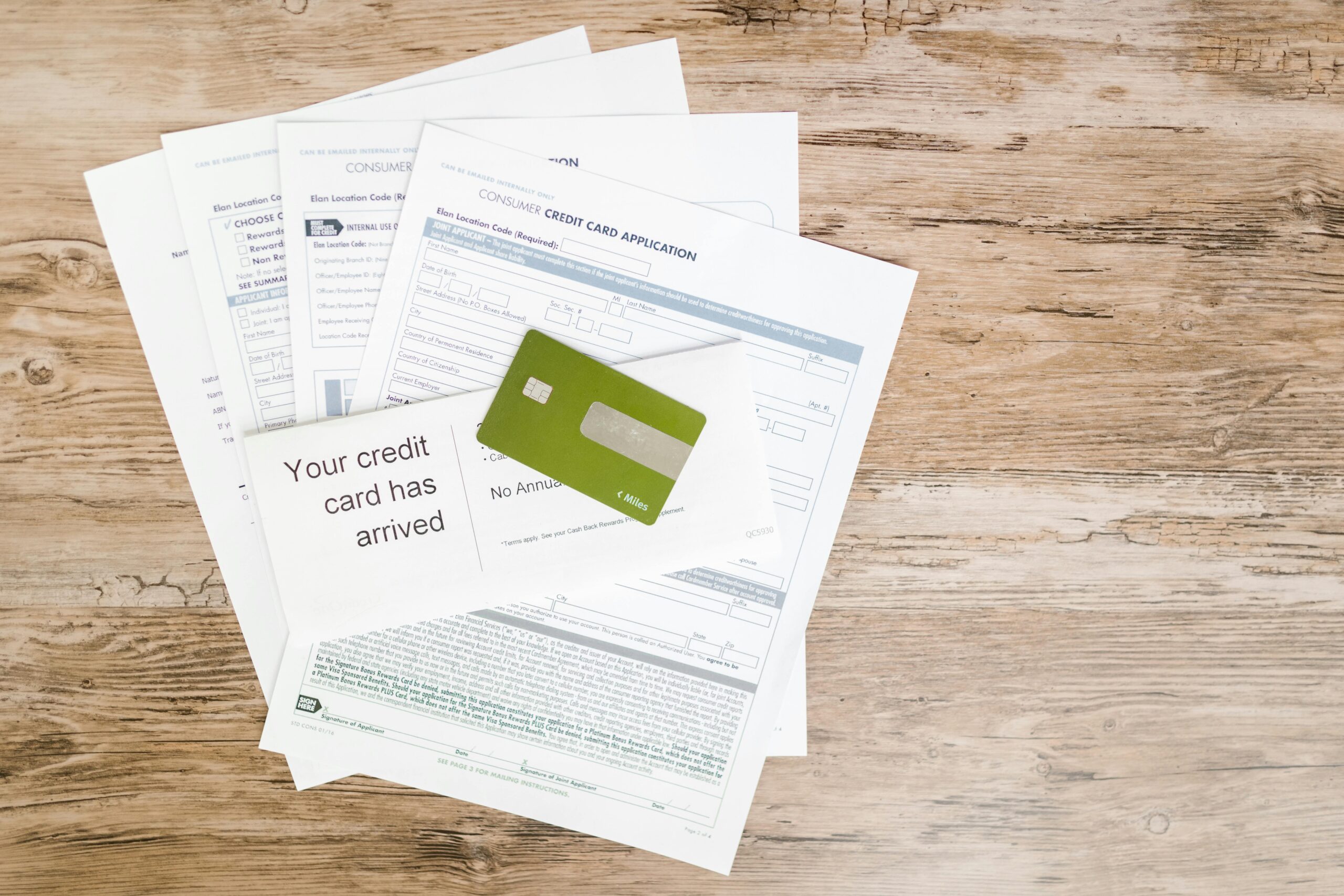
Finding a credit card with an efficient application process in the UK involves balancing speed with suitability. The market offers numerous options with streamlined digital applications, instant or near-instant decisions, and rapid card dispatch—but the fastest decision means little if the card itself doesn’t serve your financial needs.
Start by understanding your credit profile through free credit report services. Use eligibility checkers extensively to identify cards where you have strong approval chances without damaging your credit score through multiple hard searches. Research providers known for efficient processing while paying close attention to APRs, fees, credit limits, and additional features.
Remember that UK lending is regulated by the Financial Conduct Authority, meaning all providers must assess affordability responsibly. Fast decisions reflect efficient processes, not lowered standards. A quick rejection protects you just as much as a careful one—it prevents you from taking on credit you might struggle to repay.
The digital transformation of UK financial services has made finding and applying for credit cards faster and more transparent than ever before. By approaching the process strategically—prioritising eligibility checking, comparing multiple options, and understanding the terminology and processes involved—you can identify credit cards with efficient application processes that also meet your broader financial needs. Take advantage of the tools available, from comparison platforms to eligibility checkers, and make decisions based on comprehensive understanding rather than speed alone. Your financial wellbeing deserves that careful consideration. 💳✨
